
.png) 1 month ago
9
1 month ago
9
ARTICLE AD BOX
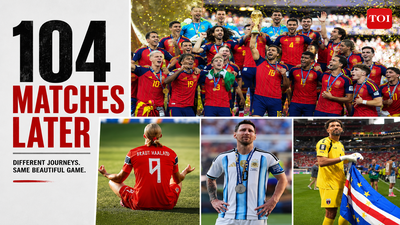
A World Cup of Records, Redemption and Remarkable Stories
New York New Jersey Stadium shook on Sunday night, 82,500 voices rising as one. Ferran Torres struck in the 106th minute, and Spain were world champions again after 16 years. Across the pitch, Lionel Messi, most likely playing his last World Cup match, at the end of a career that changed how the world watches football stood frozen for a second and looked away, unable to watch Spain's celebrations.
It was heartbreak for him, glory for Spain, and a fitting final scene for a tournament that never once ran out of drama. But zoom out, and the real story of this World Cup is bigger than one final whistle. It is the story of 39 days that gave football everything it could ask for as records kept tumbling, heartbreak for giants, and one 40-year-old goalkeeper from an island nation of half a million people who very nearly broke the internet. And it did all this while playing out under a shadow with visa bans, ICE agents stationed near stadium gates, and human rights groups warning that fans could be at risk simply for showing up. By the time the final whistle blew, the football had done all the talking that mattered. This was, by every count, the biggest World Cup ever played.A Tournament For The Record Books
Forty-eight teams walked out for the opening ceremony instead of the usual 32, spread across 16 stadiums in three countries, playing a record 104 matches instead of 64.
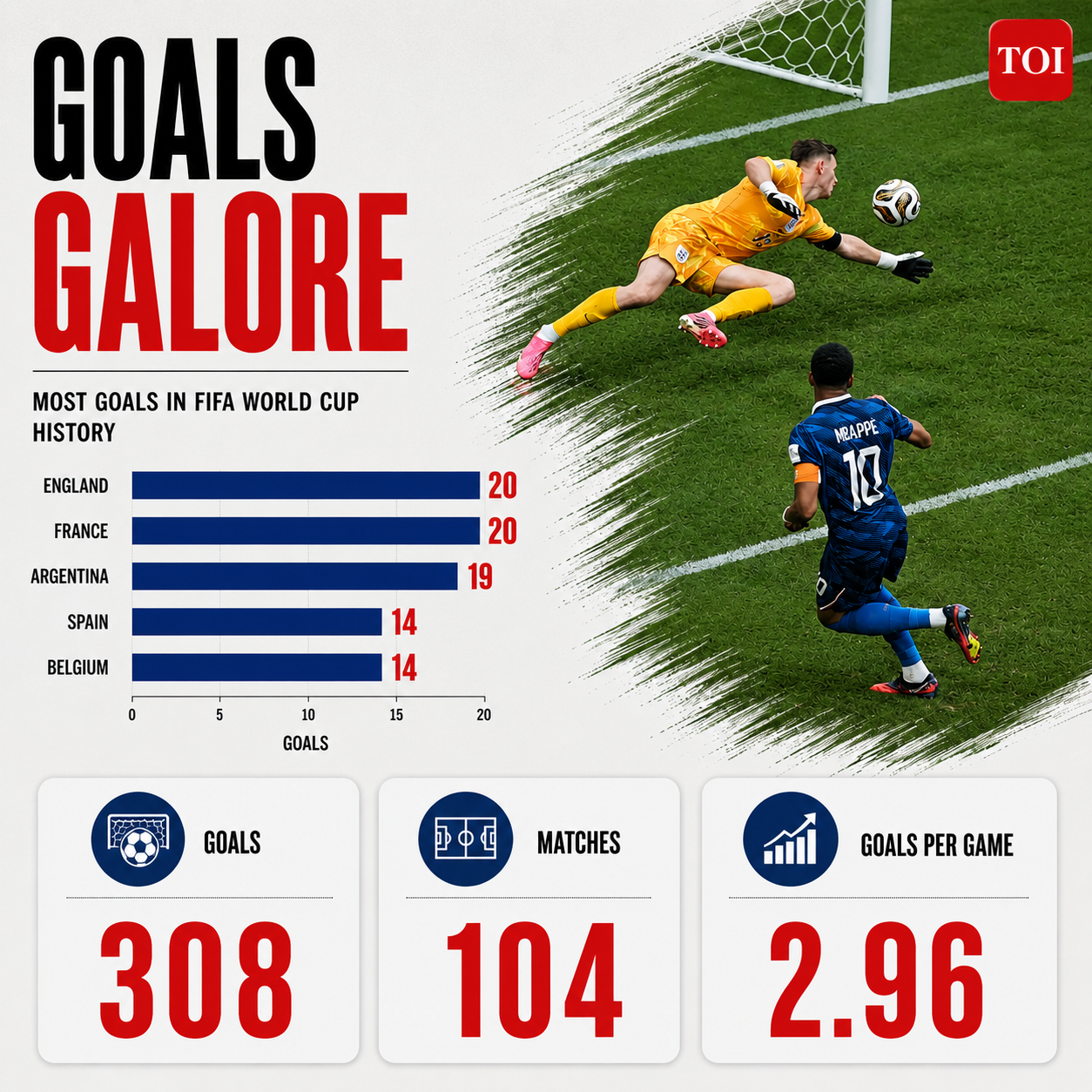
Goals Galore
By the time the trophy was lifted, 308 goals had hit the net at a record average of 2.96 per game, the most in World Cup history with England and France leading the charts on 20 apiece and Argentina close behind on 19. Only Panama went the whole tournament without scoring once, a lonely footnote in a competition drowning in goals. Kylian Mbappe finished as the World Cup's all-time leading scorer with 22 goals, going past Messi's mark during a bronze medal match for the ages. And in the final itself, Argentina keeper Emiliano Martinez threw himself across his goal line eleven times, the most saves by any goalkeeper in a World Cup final since records began in 1966. Spain, through it all, never lost a single match, starting their campaign with a stubborn draw against World Cup debutants and Cinderella story holder Cape Verde and ending it four weeks later with the trophy in their hands.
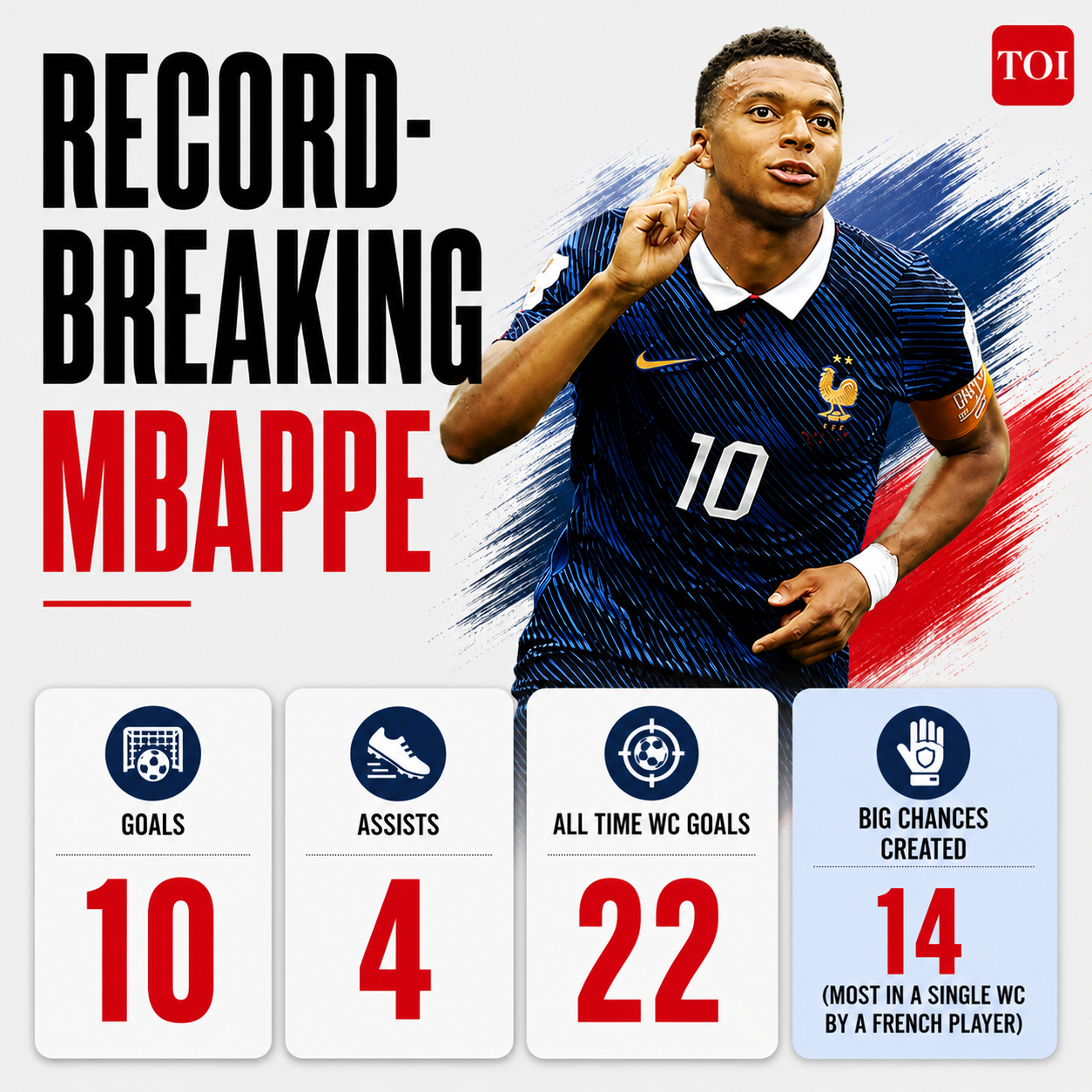
Mbappe
Best Match: Estadio Azteca Delivers A Classic For The Ages
England held on, 3-2, ending El Tri's magical run in their own backyard and finally silencing the ghosts of 1986.
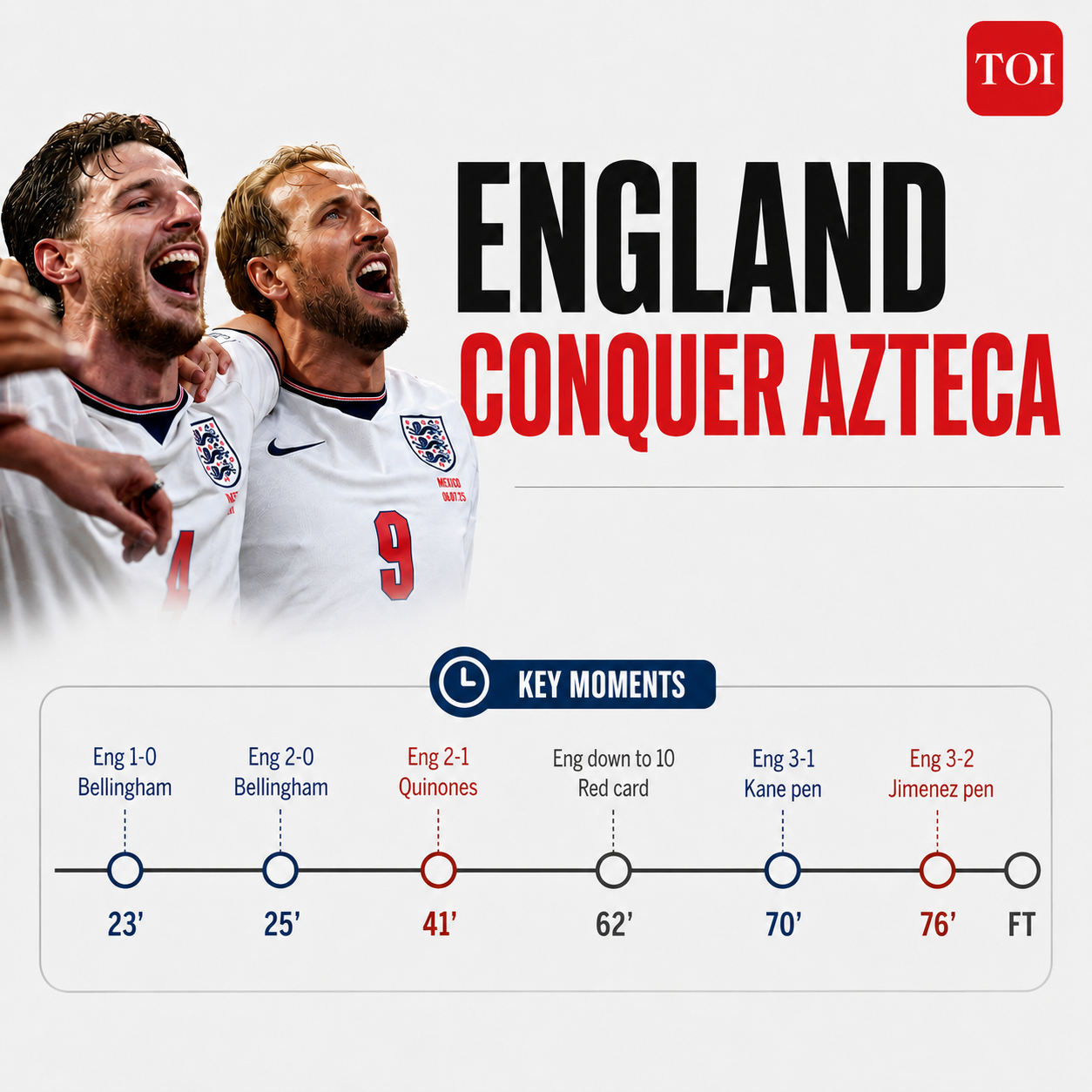
England conquer Azteca
Two other matches deserve a special mention on any highlight reel of this tournament. Argentina's Round of 16 tie against Egypt looked all but over when the Pharaohs led 2-0 with barely ten minutes on the clock until Cristian Romero, Messi and Enzo Fernandez struck in a breathless eleven-minute burst that turned certain elimination into one of the great comebacks in World Cup history. And England's third-place finish against France was pure theatre in its own right, a commanding 4-0 lead nearly vanished as Mbappe dragged France back into contention, before Bukayo Saka's hat-trick and a stoppage-time Bellingham strike settled a wild 6-4 finish that neither set of fans will forget in a hurry.New Stars Are Born Under The Lights
France's Michael Olise did his best work quietly, finishing with five assists, every single one created in open play, a feat no player has managed at a World Cup since Pele in 1970.But the two names that captured hearts far beyond the football world were Vozinha and Sidny Lopes Cabral, two unheralded names from Africa's smallest football nation who, within a fortnight, had an entire planet learning how to pronounce their names.
Another two notable names were Morocco’s Ayyoub Bouadadi and Paraguay’s giant goalkeeper Orlando Gill, who are certain to get huge transfer fees in the summer window.Norway's own run deserves its own chapter. Playing their first World Cup since 1998, Stale Solbakken's side stunned five-time champions Brazil 2-1 in the Round of 16 to reach the quarter-finals for the first time in their history, before England finally ended the dream. Erling Haaland was the man behind it all, finishing with seven goals from just 18 shots, a ruthless 39 per cent conversion rate, needing on average only 14 touches of the ball for every goal he scored, the leanest return by any player to hit three or more goals at a World Cup in six decades.
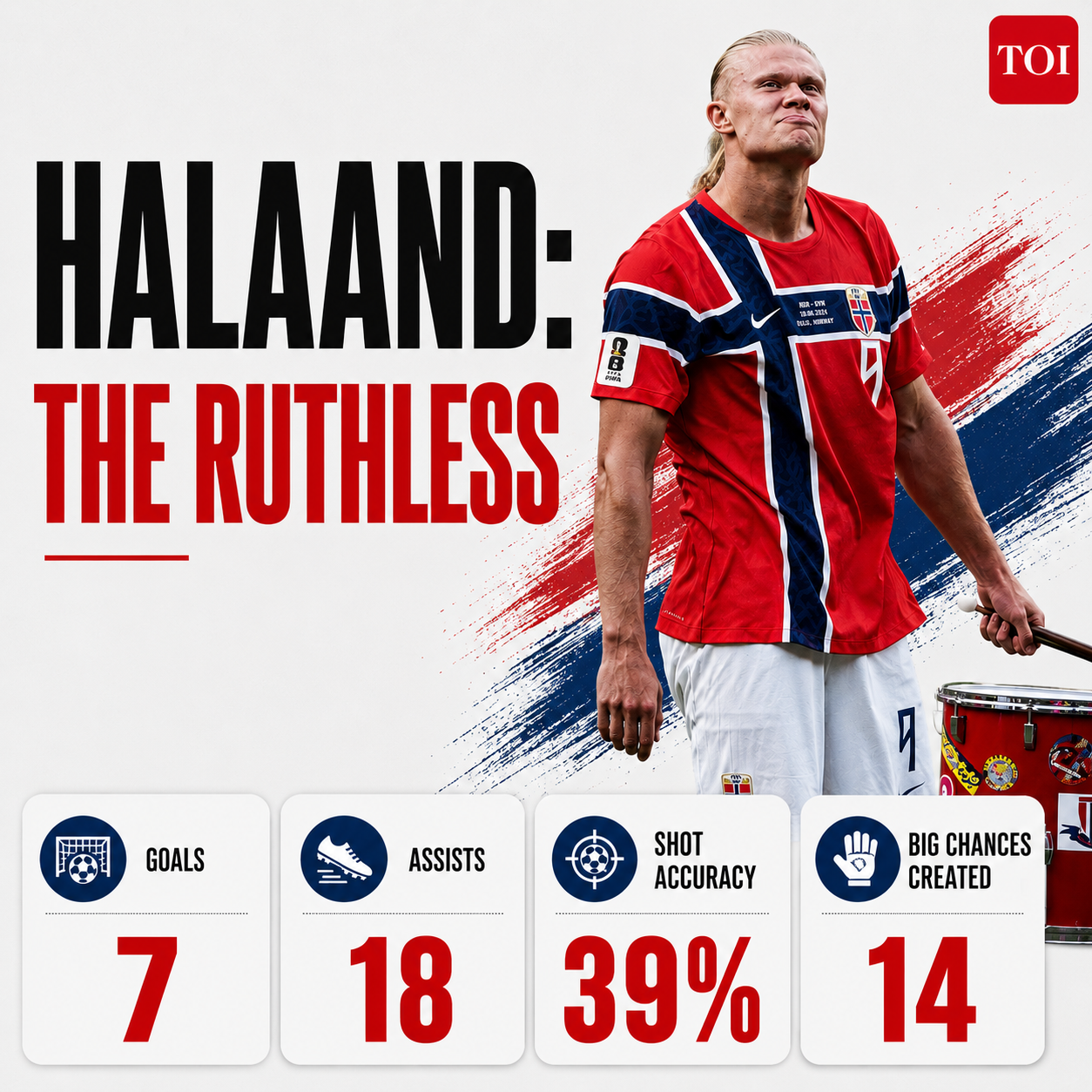
Halaand
Against Iraq and Senegal, he touched the ball barely 42 times across both games combined and still walked away with the goals that mattered.
Cold, clinical, and utterly lethal in front of goal and a celebration that united all the vikings around the globe. Cape Verde: The Tiny Nation That Stole Every Heart
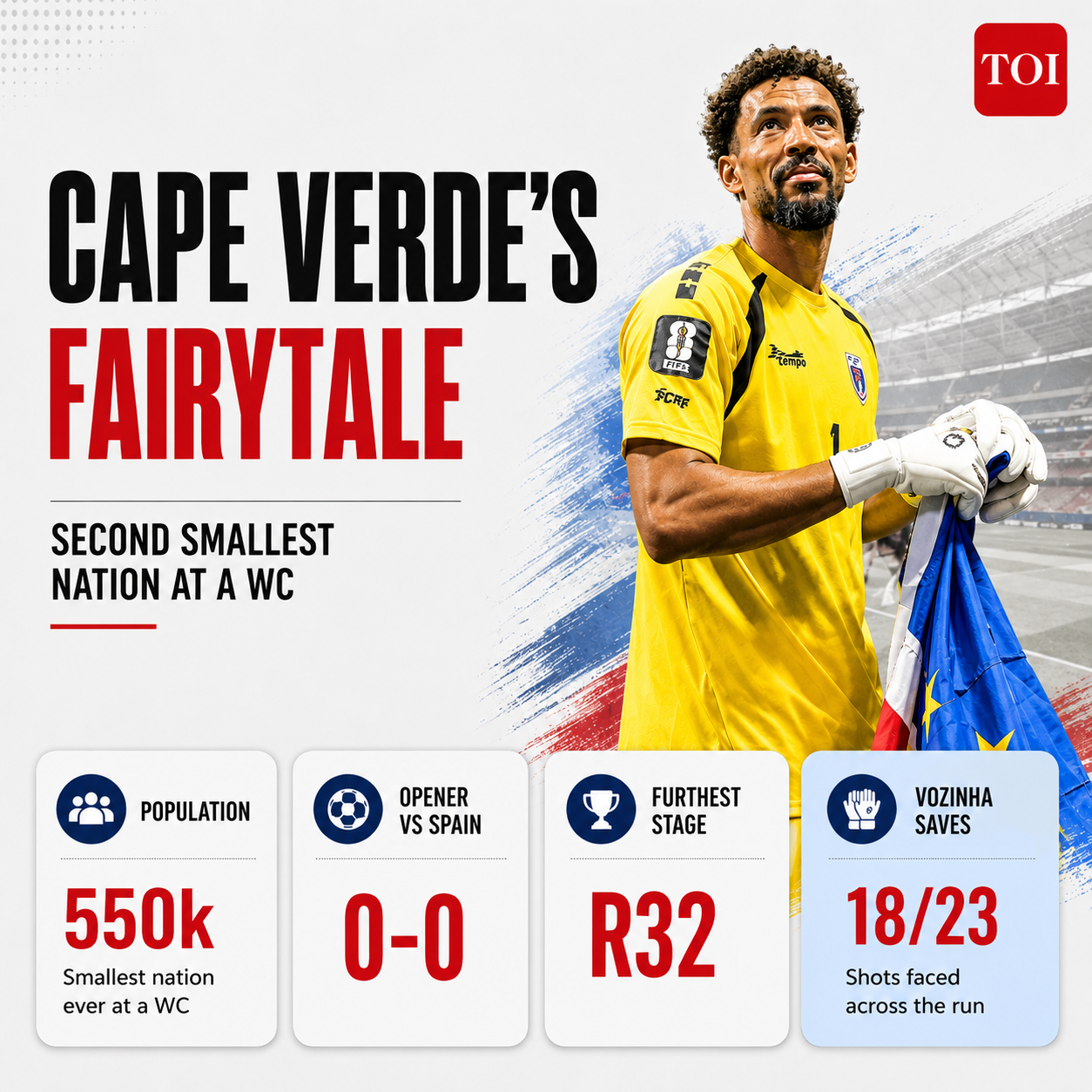
Vozinha
Biggest Disappointment: Germany's Fall From Grace
The four-time champions crashed out in the Round of 32, beaten on penalties by Paraguay after a VAR review chalked off what looked like a stunning extra-time winner, sending German players into furious protest on the touchline. It capped a grim run for a footballing nation used to going deep at major tournaments, and cost coach Julian Nagelsmann his job within days of landing back home.Brazil, too, made a quieter early exit than their history demanded, while South Korea's group-stage collapse triggered outrage and soul-searching back home that had little to do with football alone.
Best Goal: Cabral's Strike That Silenced A Stadium
The best goal of the tournament came, fittingly, from the smallest team in it. With Cape Verde trailing Argentina deep in extra time of their Round of 32 thriller, defender Sidny Lopes Cabral picked up the ball, opened his body, and rifled a shot that flew past bewildered Argentina defenders and curled into the top corner, silencing a stadium that had expected a formality. It is a goal good enough to sit at the top of nearly every "best of the World Cup" list drawn up since and ahead of Messi's own thunderous opening hat-trick strike and Nusa's curling stunner against Ivory Coast.
https://www.youtube.com/watch?v=5kJG7zWOSjU
Best Save: Vozinha's Miracle Against Messi
And the save of the tournament belonged to that very same match. Cape Verde's 40-year-old goalkeeper, Josimar "Vozinha" Dias, had already turned World Cup folk hero after a seven-save shutout against Spain in the tournament opener, his tears at the final whistle beamed around the world.Against Argentina, he produced something even better and somehow got a glove to a Messi free-kick in the 73rd minute, a stop so sharp and so unlikely that it briefly threatened to send the defending champions home in disgrace.
Vozinha finished his World Cup with 18 saves from 23 shots faced, a save percentage most professional goalkeepers can only dream about. Argentina's own Emiliano Martinez ran him close for the tournament's finest moment of goalkeeping, producing a stoppage-time block on a Nico Williams screamer in the final itself, a save that kept Spain out just long enough to drag the match into extra time.The Spirit That Refused To Be Broken
Hotel bookings fell short of forecasts across host cities, stadium workers threatened to walk off the job, and for a while, it genuinely looked like politics might end up overshadowing the football itself.It didn't happen. Fans still travelled, in numbers big enough to fill 16 stadiums across three countries for 104 matches, waving flags of nations both giant and tiny. Spain and Argentina fought for the sport's biggest prize right down to the very last kick of extra time, watched by a global audience that dwarfed anything politics could ever hope to command. In the end, the football did what it has always done best, it brought people together, across borders and languages and passports, no matter what was happening outside the stadium gates. That, more than any scoreline, is why this World Cup will be remembered as the biggest and perhaps one of the best ever played inside the lush green grasses with white lines.

 English (US) ·